The reliability of water dispenser heating elements directly impacts equipment lifespan and electrical safety. As the core heating component, a qualified water-immersed heating element must operate for extended periods without leakage, corrosion, or scaling. Beyond material selection, the end sealing treatment is a critical manufacturing process that determines long-term stability.
Water dispenser tubes operate completely submerged. This requires them to withstand not only the thermal shock of repeated heating and cooling cycles but also the risks of corrosion from minerals in the water.
If a heating element is poorly sealed, moisture penetrates through microscopic gaps at the tube ends, leading to:
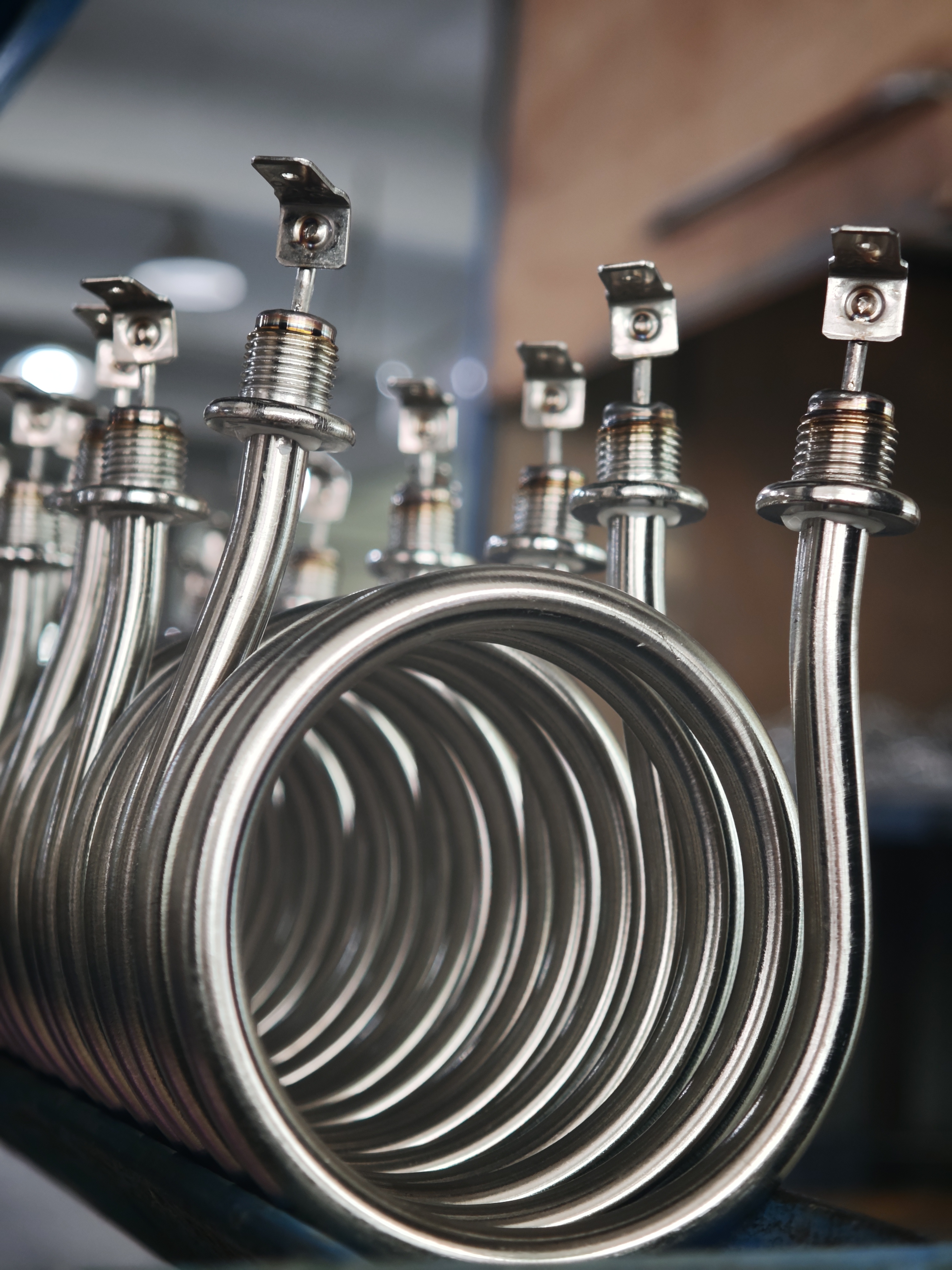
After terminal tabs are spot-welded, microscopic gaps remain at the tube ends. The sealing process addresses three primary technical requirements:
As a source manufacturer with 30 years of experience, we designate the end sealing process as a strict Key Control Point. Below are our manufacturing standards for water-immersed applications:
| Focus Area | Angel's Manufacturing Standard | Client Value / Result |
|---|---|---|
| Sealing Material Selection | Industrial-grade silicone and epoxy resin. | High-temperature resistance and long-term anti-aging performance. |
| Process Control | Automated dispensing protocols. | Ensures full penetration into tube ends, creating a 100% closed protective layer. |
| Quality Inspection | Post-curing Insulation Resistance and Hi-Pot Testing. | Guarantees zero leakage risk before leaving the factory. |
| Tube Sheath Materials | Availability of SUS304, SUS316L, and Incoloy. | Matches specific regional water quality for superior anti-scaling properties. |
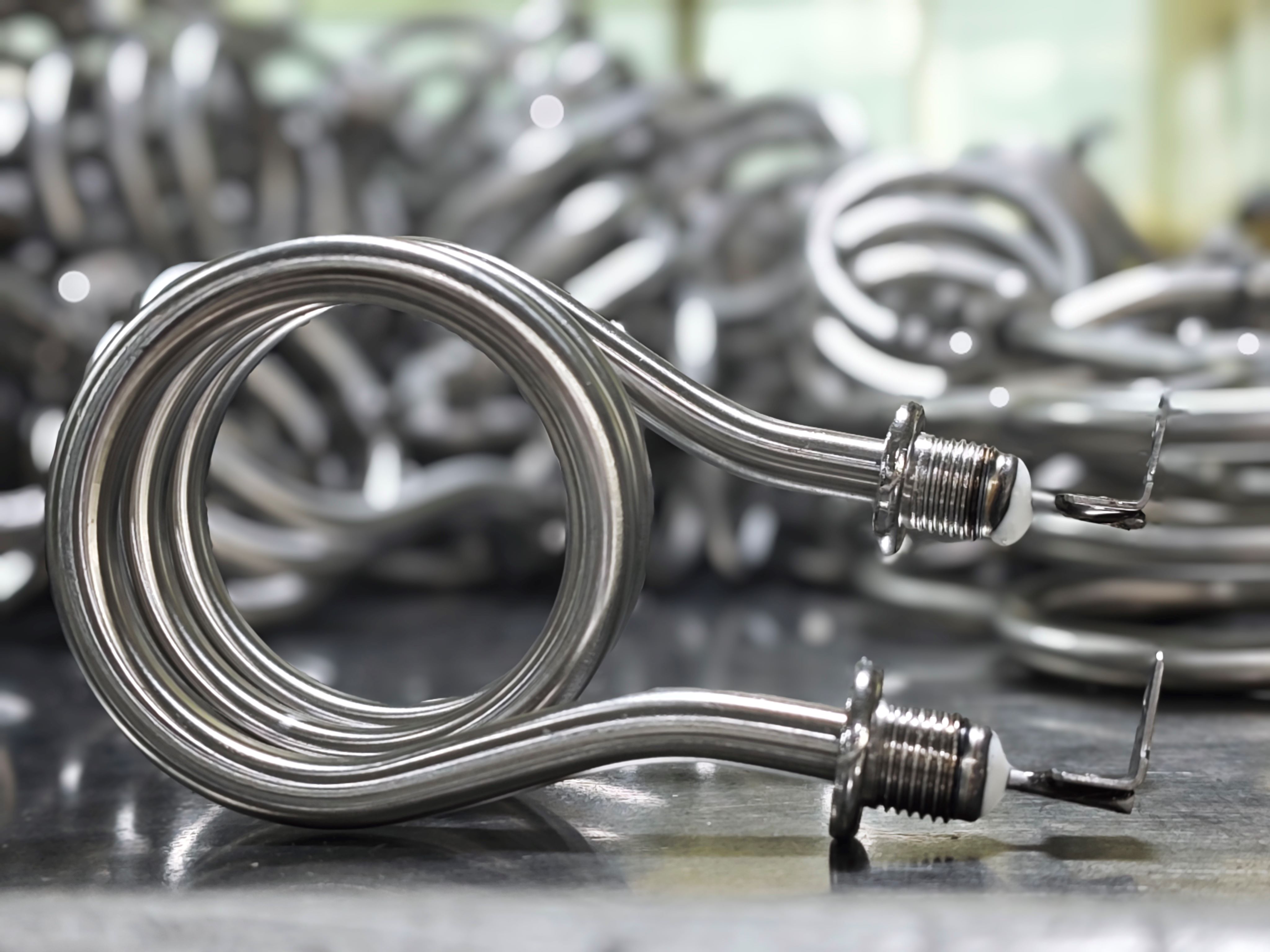
From precision material selection to end-of-line electrical testing, we ensure every heating element meets stringent industrial standards for immersion applications. Contact our engineering team to discuss custom manufacturing parameters and procurement requirements.